When Should a Child Have Their First Dental Visit?
A child's dental health begins before all their baby teeth appear. Although primary teeth eventually fall out, they play an important role in chewing, speech development, and holding space for permanent teeth. Knowing when to schedule a child's first dental visit helps parents establish healthy oral care habits and identify potential problems early. Parents can consult a dentist at Priva Dental and Wellness Clinic for guidance on their child's early oral health needs.
The general recommendation is to schedule the first dental visit by the child's first birthday or within six months after the first tooth appears, whichever comes first. This early appointment allows a dentist to examine developing teeth and gums and guide parents on age-appropriate oral care.
Why Is the First Dental Visit Important?
Baby teeth are essential for a child's early development. They help children chew comfortably, support speech development, and maintain space for permanent teeth to emerge in the correct positions.
Early dental visits can identify signs of tooth decay, gum concerns, and developmental issues before they become more difficult to manage. They also give parents an opportunity to understand proper brushing techniques, fluoride use, and feeding habits that support healthy teeth.
Regular visits from an early age can help children become familiar with the dental environment and feel more comfortable during future appointments.
What Happens During a Child's First Dental Visit?
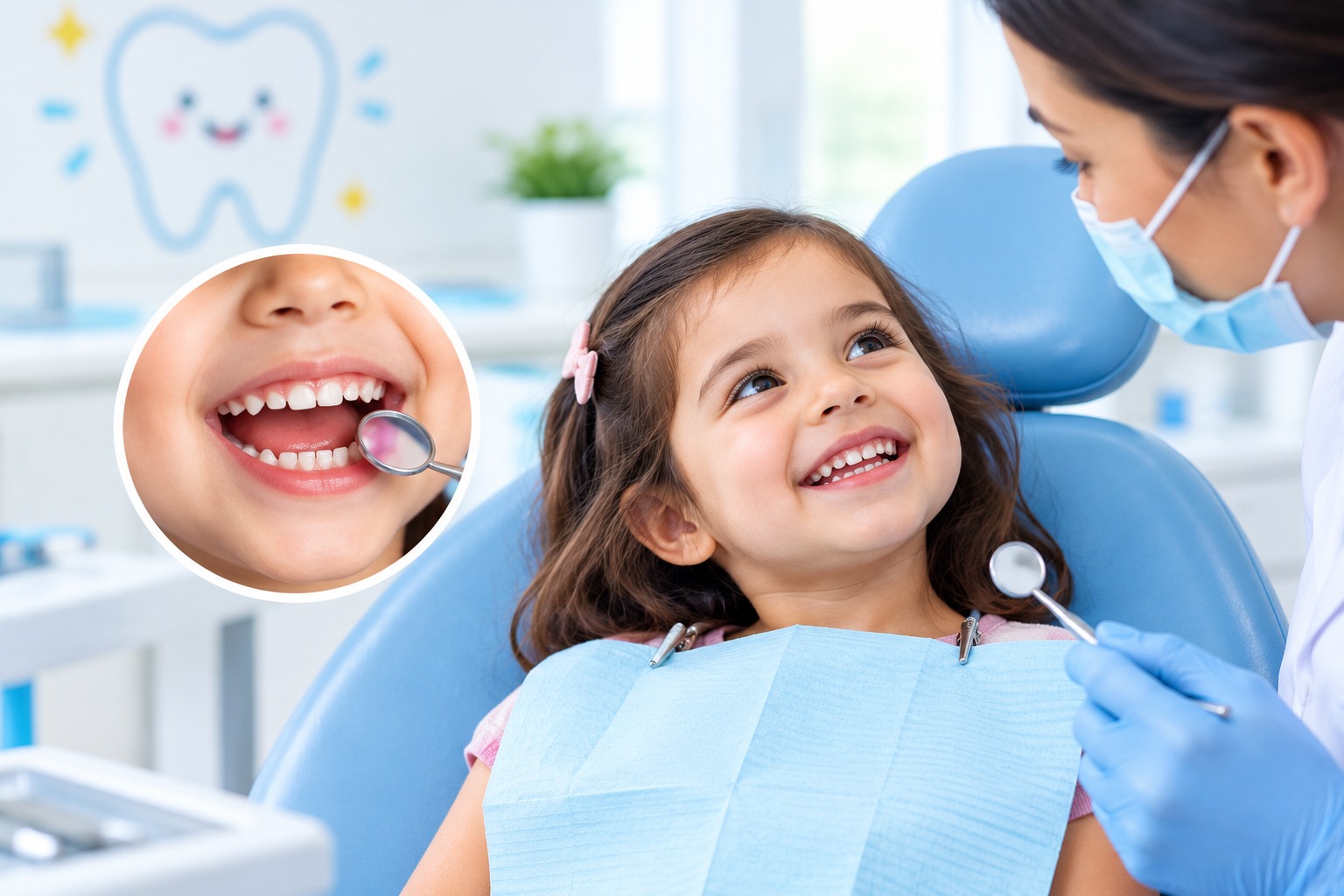
A first dental appointment is usually gentle and focuses on prevention, education, and familiarization. The exact process depends on the child's age, comfort level, and oral health needs.
The dentist will examine the child's teeth, gums, jaw, and oral tissues for signs of decay or other concerns. They may ask about brushing routines, feeding habits, and the child's exposure to sugary foods and drinks.
Parents can also receive guidance on cleaning emerging teeth, choosing suitable oral care products, and using fluoride appropriately. The dentist may discuss teething, pacifier use, thumb-sucking, and habits that could affect developing teeth. X-rays are not routinely necessary at every first visit; they are considered when clinically indicated.
Parents can explore the available dental services at Priva Dental and Wellness Clinic to learn more about dental care and treatment options.
How Can Parents Prepare Their Child for the Appointment?
A little preparation can make the first dental visit smoother for both the child and the parent.
Choose an appointment time when your child is generally rested and settled. Explain the visit in simple, positive language without using words that may create fear. Bringing a favourite toy or comfort item may help a young child feel secure.
Parents should share relevant information with the dentist, including the child's feeding routine, teething experiences, brushing habits, and any concerns about tooth development. Mention any unusual tooth discolouration or discomfort while eating.
The aim is to introduce dental care in a calm, age-appropriate way rather than expecting a young child to sit perfectly still.
How Should You Care for Your Child's Teeth at Home?
Good oral hygiene should begin before the first tooth appears. Parents can gently clean an infant's gums with a clean, soft, damp cloth. Once the first tooth emerges, start brushing twice daily with a soft, age-appropriate toothbrush and a smear of fluoride toothpaste about the size of a grain of rice for children under three years.
For children aged three to six, use a pea-sized amount of fluoride toothpaste and supervise brushing to encourage effective cleaning and discourage swallowing. Follow your dentist's advice about the appropriate toothpaste and fluoride needs.
Avoid putting a baby to bed with a bottle containing milk, formula, juice, or other sugary drinks. Offer water between meals when appropriate for the child's age and limit frequent sugary snacks and drinks. Avoid sharing spoons or cleaning a pacifier with your mouth, as these practices can transfer cavity-causing bacteria.
What If Your Child Has Dental Problems Before Their First Birthday?
You do not need to wait until your child's first birthday if you notice a concern. Arrange a dental appointment if you see white or brown spots on the teeth, unusual swelling, a dental injury, or signs of persistent oral discomfort.
Severe swelling, fever with facial swelling, or difficulty swallowing or breathing requires urgent medical assessment. Early evaluation helps determine whether the issue needs dental treatment or another form of care.
Frequently Asked Questions
Should I take my baby to the dentist before all their teeth appear?
Yes. The first visit is recommended after the first tooth appears and no later than the first birthday. A dentist can assess early development and explain how to care for emerging teeth.
Are baby teeth really that important?
Yes. Baby teeth help with chewing and speech and maintain space for permanent teeth. Untreated decay can cause pain, infection, and difficulties with eating.
How often should children visit the dentist?
Many children benefit from dental check-ups every six months, but the ideal interval depends on their individual oral health and risk of tooth decay. Follow the schedule recommended by your child's dentist.
Build Healthy Dental Habits from the Beginning
Your child's first dental visit is an opportunity to establish a positive foundation for lifelong oral health. Scheduling the appointment by the first birthday, maintaining daily brushing, and following preventive advice can help protect developing teeth.
If you have questions about your child's first check-up or early dental care, contact Priva Dental and Wellness Clinic to inquire about an appointment and discuss your child's dental care needs.