What Should You Do If a Tooth Breaks Suddenly?
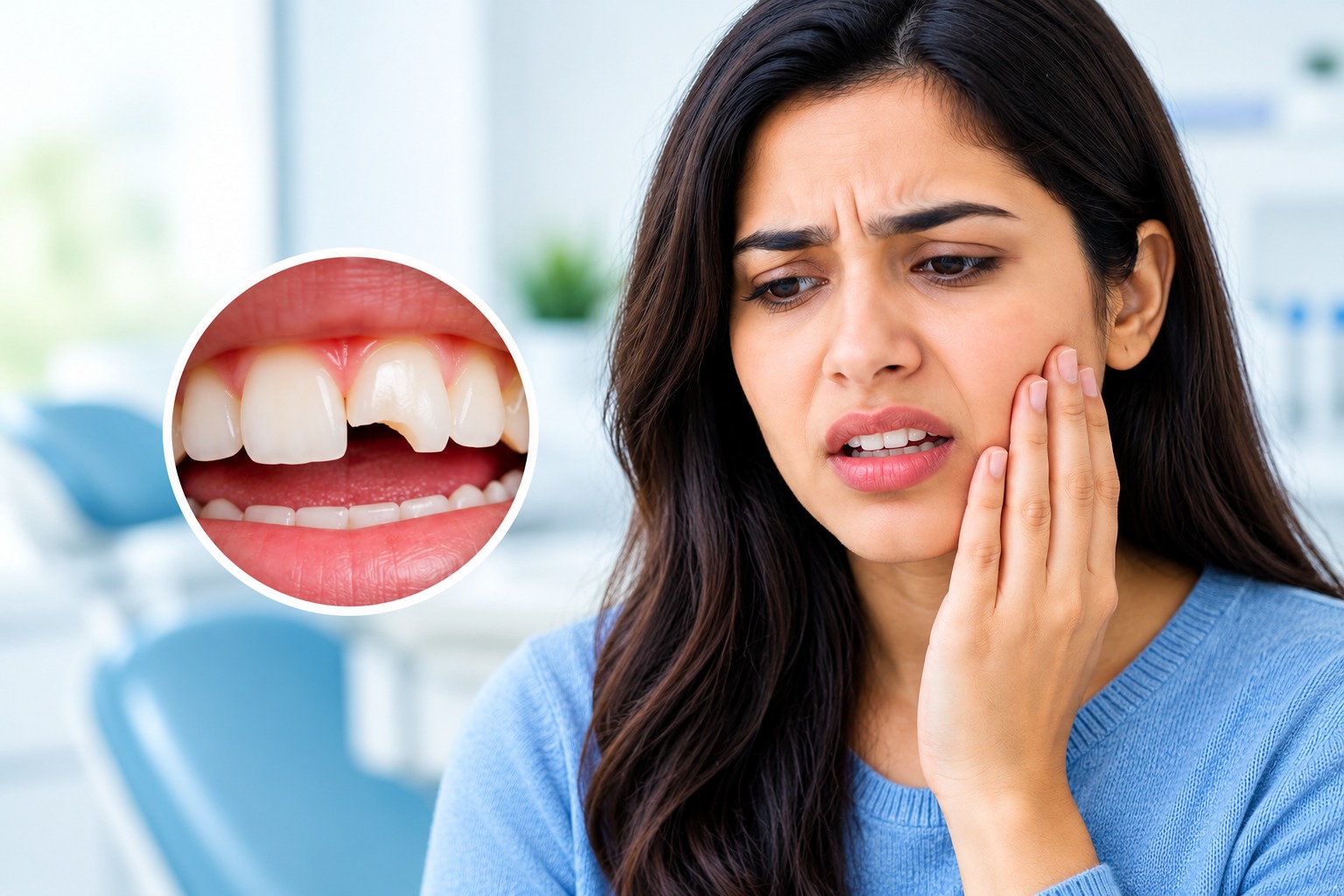
A tooth can break unexpectedly while eating, playing sports, or following an accident. Depending on the severity, the damage may range from a small chip to a deep fracture that causes pain or exposes the inner tissues. Knowing what to do if a tooth breaks suddenly can help protect the affected area until you receive professional care. If you experience a dental injury, contact a dental clinic in Balewadi for an assessment.
The appropriate response depends on the size of the fracture, whether the tooth's pulp is affected, and the condition of the surrounding tissues.
What Should You Do Immediately After Breaking a Tooth?
Taking a few simple steps can help protect the damaged tooth before your appointment.
1. Rinse Your Mouth Gently
Rinse with lukewarm water to remove food particles and debris. Avoid forceful rinsing if the area is painful or bleeding.
2. Save the Broken Piece
If you find the broken fragment, place it in a clean container and keep it moist in milk or saliva. Bring it to your dental appointment, as reattachment may be possible in suitable cases.
3. Manage Bleeding and Discomfort
If your gums are bleeding, apply gentle pressure with clean gauze. A cold compress held against the outside of your cheek for short intervals may help reduce swelling.
Avoid chewing on the affected side and choose soft foods until the tooth has been examined. If the broken edge is sharp, avoid touching it with your tongue or fingers. Never try to glue the fragment back yourself or place aspirin directly on the tooth or gums.
When Is a Broken Tooth a Dental Emergency?
A small chip may not cause much discomfort, but a deeper fracture can expose sensitive inner layers or damage the pulp, which contains nerves and blood vessels.
Seek urgent dental attention if you experience severe or persistent pain, significant bleeding, a large fracture, or visible pink or red tissue inside the tooth. Prompt evaluation is also important if the tooth becomes loose after an injury.
Facial swelling accompanied by fever requires urgent medical or dental assessment. If swelling affects breathing or swallowing, seek emergency medical care immediately. A suspected jaw fracture or serious facial injury also needs emergency evaluation.
What Causes a Tooth to Break Suddenly?
Several factors can make teeth more vulnerable to fractures. Biting hard foods, chewing ice, or receiving a blow to the face can cause a tooth to chip or break.
Tooth decay can weaken the structure, while large fillings and existing cracks may reduce its strength. Teeth grinding or clenching also places repeated pressure on the enamel and underlying tissues. In some cases, a weakened tooth breaks during ordinary chewing, making the damage seem sudden.
How Do Dentists Treat a Broken Tooth?
Treatment depends on the fracture's depth, location, and the amount of healthy tooth structure remaining. Your dentist will examine the area and may recommend X-rays to assess damage beneath the visible surface.
Common treatment options include:
Dental bonding or filling: Repairs minor chips and certain small fractures.
Dental crown: Covers and protects a tooth that has lost a larger section of its structure.
Root canal treatment: May be needed when the pulp is irreversibly damaged or infected. A crown may subsequently be recommended to protect the remaining tooth.
Extraction: May be necessary if the tooth is too severely damaged to be restored predictably.
Not every broken tooth requires the same procedure. The dentist will recommend an option based on the examination and the likelihood of preserving the tooth. You can learn more about available treatments through Priva Dental and Wellness Clinic's dental services.
How Can You Prevent Future Tooth Fractures?
Good oral care and a few practical precautions can lower the risk of dental damage.
Avoid chewing ice, hard objects, and unpopped popcorn kernels.
Wear a properly fitted mouthguard during contact sports.
Do not use your teeth to open packaging or bite non-food items.
Brush twice daily with fluoride toothpaste and clean between your teeth.
Attend regular dental check-ups so that decay and existing cracks can be identified early.
Discuss treatment options with your dentist if you grind or clench your teeth.
These habits can help maintain tooth strength, although accidents and unexpected injuries cannot always be prevented.
Frequently Asked Questions
Can a broken tooth heal on its own?
No. A broken section of enamel does not grow back. A dentist can assess the damage and recommend treatment to restore or protect the remaining tooth.
Should I visit a dentist if the broken tooth does not hurt?
Yes. Some fractures cause little immediate discomfort but can still leave the tooth vulnerable to further damage. Arrange a dental assessment even if you have no pain.
Can a badly broken tooth be saved?
In some cases, yes. Whether it can be preserved depends on the fracture's depth, the condition of the root, and how much healthy tooth structure remains.
Get Your Broken Tooth Examined Promptly
A broken tooth does not always cause immediate pain, but leaving it untreated can allow the damage to worsen. Rinse your mouth gently, protect the affected area, and arrange a dental assessment to determine the appropriate treatment.
For advice about a chipped, cracked, or broken tooth, contact Priva Dental and Wellness Clinic to arrange an appointment.