Dentist
How Teeth Grinding Affects Your Oral Health
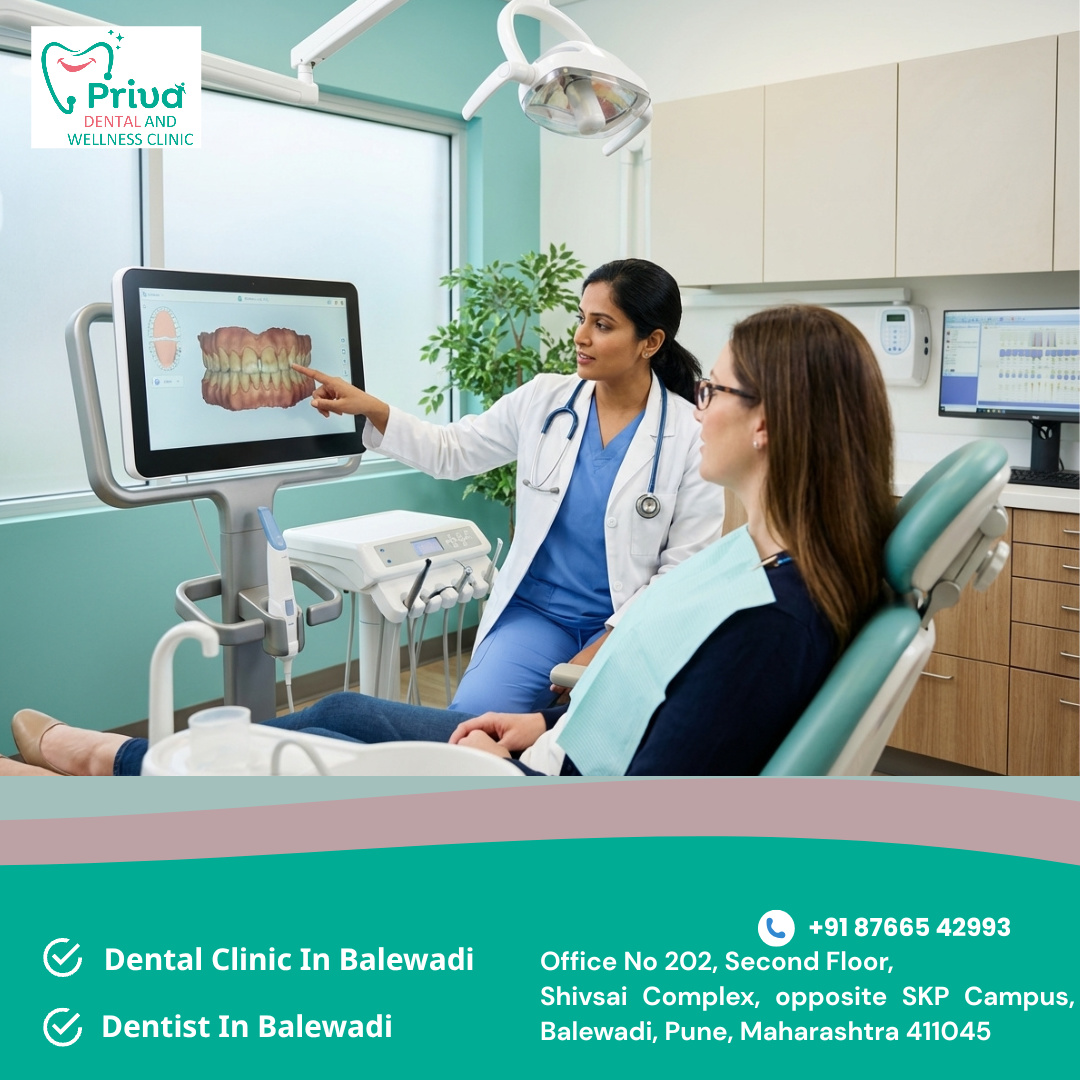
Teeth grinding, also known as bruxism, is a common condition that many people may not even realise they have. Some individuals grind or clench their teeth during sleep, while others may do it during stressful situations or while concentrating. Over time, continuous grinding can place excessive pressure on the teeth, jaw muscles, and surrounding structures, leading to several oral health problems.
Ignoring teeth grinding for a long period may result in tooth damage, jaw pain, headaches, and difficulty chewing. Early diagnosis and proper treatment can help prevent complications and protect long-term oral health.
At Priva Dental And Wellness Clinic, patients can receive professional dental care for teeth grinding, jaw discomfort, smile protection, and overall oral wellness.
What Is Teeth Grinding?
Teeth grinding happens when a person unconsciously clenches or grinds their teeth together.
It may occur:
- During sleep
- While feeling stressed or anxious
- During intense concentration
- Due to bite alignment issues
Some people may experience occasional grinding, while others may develop chronic bruxism that gradually damages oral structures.
Many individuals become aware of the condition only after symptoms such as jaw pain or tooth sensitivity begin to appear.
Common Causes of Teeth Grinding
Several factors may contribute to teeth grinding.
Stress and Anxiety
Emotional stress is one of the most common reasons for unconscious clenching and grinding.
Sleep Problems
Sleep disorders may increase the likelihood of nighttime grinding.
Misaligned Teeth or Bite Issues
Improper bite alignment may place uneven pressure on teeth and jaw muscles.
Lifestyle Habits
Excessive caffeine, smoking, or alcohol consumption may worsen grinding in some individuals.
Certain Medical Conditions
In some cases, medications or neurological conditions may contribute to bruxism.
A proper dental evaluation helps identify the possible cause and the most suitable treatment approach.
Signs and Symptoms of Teeth Grinding
Teeth grinding often develops gradually, and symptoms may become noticeable over time.
Common symptoms include:
- Jaw pain or tightness
- Tooth sensitivity
- Frequent headaches
- Worn or flattened teeth
- Chipped or cracked teeth
- Facial discomfort
- Disturbed sleep
- Difficulty chewing comfortably
Consulting a Dental clinic early can help prevent worsening tooth damage and jaw complications.
How Teeth Grinding Affects Oral Health
Bruxism can affect several parts of the mouth and jaw if left untreated.
Damage to Tooth Enamel
The outer protective layer of the teeth gradually wears down because of repeated grinding pressure. Once enamel becomes thin, teeth become more sensitive and vulnerable to decay.
Tooth Fractures and Cracks
Constant grinding pressure increases the risk of chipped, cracked, or broken teeth.
Jaw Joint Problems
Teeth grinding may strain the temporomandibular joint (TMJ), leading to:
- Jaw pain
- Clicking sounds
- Difficulty opening the mouth
- Facial discomfort
Gum and Tooth Support Issues
Excessive pressure on teeth may also affect surrounding gum tissues and supporting bone structures.
Cosmetic Dental Concerns
Worn-down teeth may affect smile appearance and facial aesthetics over time.
A cosmetic dentist in Balewadi can help restore damaged teeth and improve smile appearance caused by grinding-related wear.
Why Early Treatment Is Important
Many people ignore mild grinding symptoms until significant damage occurs. Early treatment helps:
- Protect natural teeth
- Reduce jaw strain
- Prevent enamel wear
- Improve sleep comfort
- Reduce headaches and facial pain
Managing the condition early also helps avoid extensive restorative dental procedures later.
Treatment Options for Teeth Grinding
Treatment depends on the severity of grinding and its underlying cause.
Night Guards or Mouth Guards
Custom dental guards help protect teeth from grinding damage during sleep.
Stress Management
Relaxation techniques, counselling, and stress reduction may help reduce unconscious clenching.
Bite Correction
In some cases, correcting bite alignment may reduce pressure on teeth and jaw muscles.
Restorative Dental Treatment
Damaged or worn teeth may require cosmetic or restorative procedures to restore function and appearance.
Lifestyle Modifications
Reducing caffeine intake, alcohol consumption, and smoking may help improve symptoms.
At Priva Dental And Wellness Clinic, personalised treatment plans help patients manage grinding-related symptoms while protecting long-term oral health.
Role of an Oral Surgeon in Severe Cases
In severe jaw-related conditions, patients may require evaluation by an Oral surgeon, especially when:
- Jaw joints are affected
- Severe bite problems exist
- Facial pain becomes chronic
- Surgical correction is needed
An experienced oral health team helps assess whether advanced treatment is necessary based on the patient’s condition.
Tips to Reduce Teeth Grinding
Simple lifestyle habits may help reduce the severity of grinding.
Maintain a Relaxing Sleep Routine
Adequate sleep and stress management support better muscle relaxation.
Avoid Clenching During the Day
Being aware of jaw tension can help reduce unconscious clenching habits.
Limit Stimulants
Reducing caffeine and alcohol may help minimise nighttime grinding.
Attend Regular Dental Check-Ups
Routine examinations help identify early signs of tooth wear and jaw strain.
Frequently Asked Questions
1. What are the common signs of teeth grinding?
Common signs include jaw pain, headaches, tooth sensitivity, worn teeth, facial discomfort, and disturbed sleep.
2. Can stress cause teeth grinding?
Yes, emotional stress and anxiety are among the most common causes of unconscious teeth grinding and clenching.
3. How can teeth grinding damage oral health?
Long-term grinding may wear down enamel, crack teeth, strain jaw joints, and affect overall smile appearance.
4. Can teeth grinding be treated?
Yes, treatment may include night guards, stress management, bite correction, and restorative dental procedures depending on the severity of the condition.
Protect Your Teeth and Jaw Health Early
Teeth grinding may seem harmless initially, but long-term bruxism can seriously affect oral health, comfort, and smile appearance. Early diagnosis and proper treatment help protect the teeth, jaw joints, and surrounding oral structures from unnecessary damage.
At Priva Dental And Wellness Clinic, patients can receive comprehensive care for teeth grinding, jaw pain, cosmetic smile concerns, and restorative dental treatments. Whether you are looking for a trusted Dental clinic, an experienced cosmetic dentist in Balewadi, or professional support from an Oral surgeon, timely dental care can help maintain a healthier and more comfortable smile.Your healthy smile starts here. Contact us today or schedule an appointment for personalized dental care.